Mastering Canine Companionship: Top Tips for Effective Dog Training and Care
Understanding canine behavior is essential for every dog lover and pet owner who wishes to enjoy a harmonious life with their furry friends. Have you ever watched your dog tilt its head, as if trying to solve a puzzle? It’s in those precious moments that we catch a glimpse into the complex world of dog psychology. Unlocking the mysteries of what your pet is thinking can not only enhance your dog training experience but also deepen the bond you share. So, let’s embark on this journey together and discover how understanding canine behavior can revolutionize your approach to pet care.
One crucial factor to consider when diving into dog psychology is that every breed has its own unique characteristics. Are you aware that certain breeds are more prone to anxiety and require specific training techniques? For instance, a Border Collie thrives on mental stimulation and exercise, while a Bulldog might prefer a more relaxed lifestyle. Understanding these breed-specific needs will empower you with the knowledge necessary to tailor your dog training methods. Just remember: knowledge is power, and with it comes the ability to provide the best dog care tips for your unique companion.
Have you ever found yourself puzzled by your dog’s strange behaviors? From barking at the door to chewing on shoes, these actions often stem from underlying desires or needs. As responsible pet owners, it’s our job to interpret these signals. By observing canine behavior, we can unlock motivation behind these actions. For example, if your puppy is chewing on furniture, they may need more exercise or socialization! Engaging in consistent dog training and providing appropriate outlets for your pet's energy can lead to a happier, well-adjusted dog. After all, exercise isn’t just good for their health; it’s vital for their happiness too!
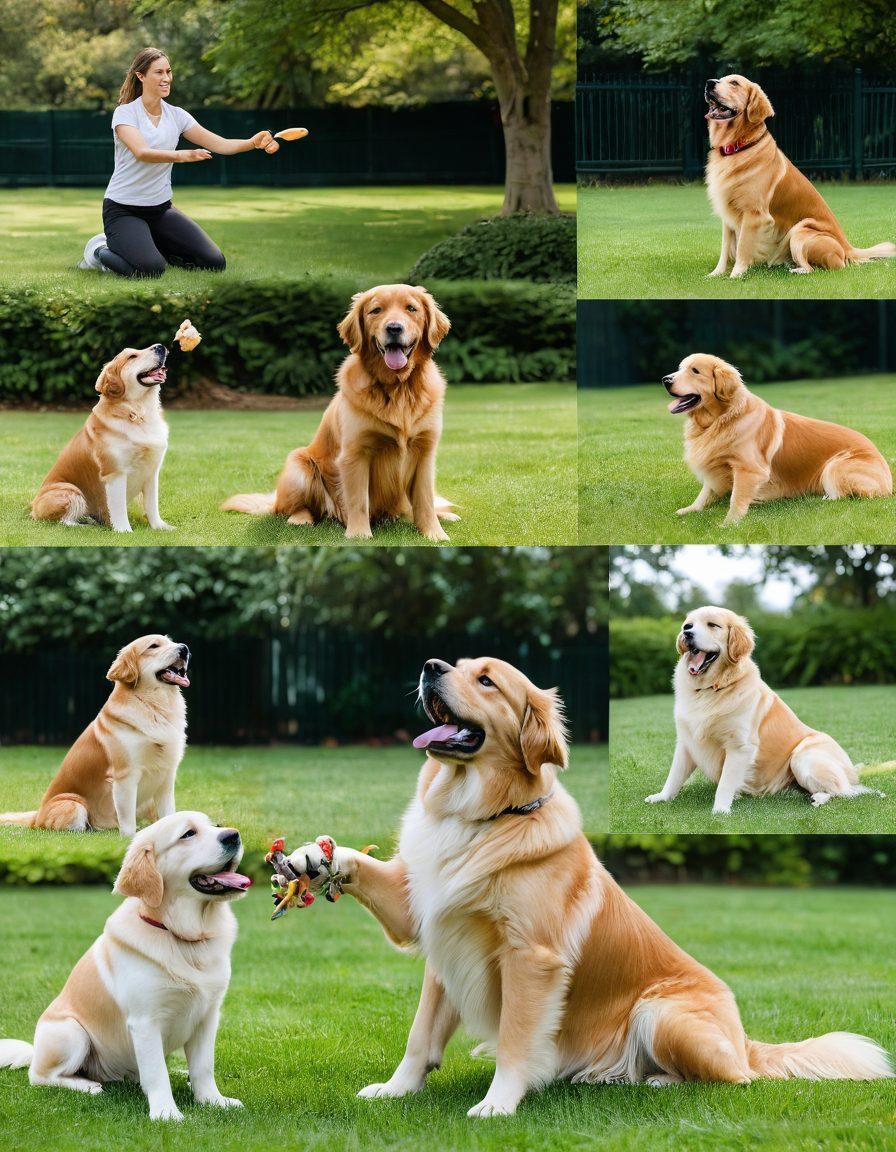
Let’s not overlook the role of positive reinforcement in dog obedience. As you may know, dogs respond exceptionally well to praise and rewards. Have you noticed how your puppy perks up at the sound of a treat bag? This instinct can be harnessed for effective canine training. Positive reinforcement helps dogs feel confident, leading to better behavior and faster learning. So whether it’s through a tasty treat or an enthusiastic ‘good boy,’ embracing the philosophy of positive psychology makes for a rewarding training experience for both you and your dog.
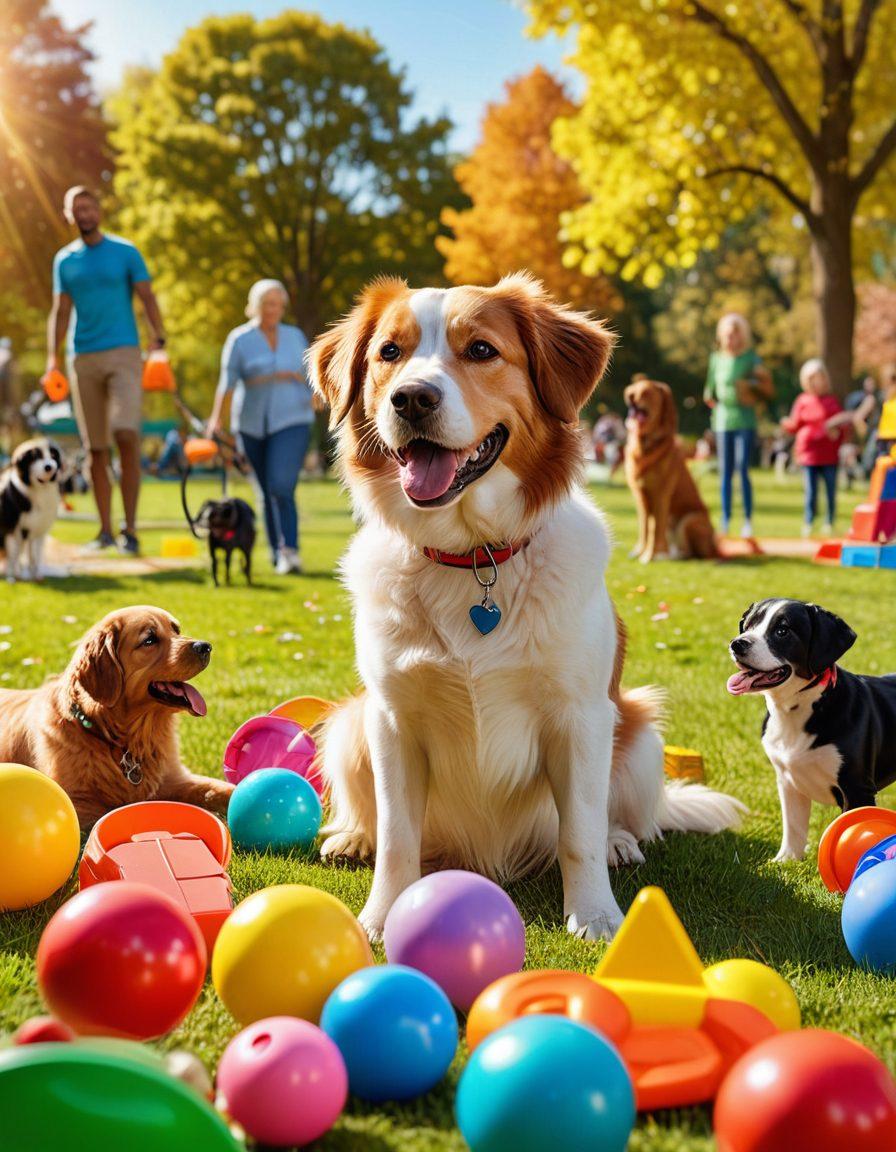
Finally, a significant aspect of dog psychology and ownership lies in how we create a safe and nurturing environment for our pets. Dogs, much like humans, thrive when they feel secure and loved. This entails not only proper dog grooming and nutrition but also ensuring they have space to socialize and exercise. Make it a routine to schedule playdates or trips to the dog park! Encourage your puppy’s sociability by surrounding them with different animals and people. This ultimately creates a well-rounded, confident companion capable of navigating the world with ease. What’s not to love about that?
The Ultimate Guide to Dog Care: Essential Tips for Health, Nutrition, and Grooming
Every proud dog lover knows that our furry companions are not just pets; they are family. In this ultimate guide to dog care, we’ll dive deep into health, nutrition, and grooming—essentials that form the backbone of responsible dog ownership. Whether you’re a seasoned pet owner or a new puppy parent discovering the world of canine companionship, the quest for knowledge in pet care is never-ending. Have you ever wondered, 'What does my dog truly need to live a healthy and fulfilling life?' Let’s explore that and much more!
When it comes to dog health, understanding your dog's specific needs is paramount. Just like us, each breed has unique traits and characteristics. For instance, large breeds may have different dietary requirements and exercise needs than small breeds. This is where dog training techniques come in—picking the right training for breed-specific behaviors can enhance your furry friend's wellbeing. Engaging in regular vet check-ups can also prevent potential health issues, ensuring your pup remains in tip-top shape. What steps can you take today to safeguard your canine's health?
Nutrition is a vital component of dog care, much like it is for humans. Are you currently feeding your dog a balanced diet? It’s wise to consult with a vet to find what dog nutrition fits best for your pup, as nutritional needs vary greatly with age, size, and activity level. You might also consider incorporating certain superfoods into your pooch’s diet that promote heart health and improved digestion. Remember, a healthy dog is a happy dog! How can you spice up your dog’s meal while keeping it nutritious?
Dog grooming is just as important as feeding your dog nutritious food. Regular grooming not only helps to keep your dog’s coat shiny and healthy, but it’s also a prime opportunity for checking for any unusual lumps or skin conditions. From brushing to bathing, and nail clipping to ear cleaning, cultivating a grooming routine is essential for your dog's hygiene and comfort. Have you ever thought of grooming as a bonding activity? It can definitely transform into a delightful way to connect with your furry friend!
Finally, let’s talk about dog socialization and exercise. Did you know that a well-socialized dog is generally happier and more obedient? Engaging your pet in regular exercises such as walks, runs, or playful games can significantly reduce anxiety and behavioral problems. This aspect of canine care is critical for maintaining a dog’s mental health as well. Explore local dog parks or organized dog training groups to foster socialization–what dog tips have you picked up along your journey as a pet lover?
Training Techniques Every Dog Lover Should Know: From Puppy Basics to Advanced Obedience
Dog ownership is one of the most rewarding experiences life can offer, transforming our homes and our hearts. As a dog lover, it’s essential to understand that behind every wagging tail is a complex world of canine behavior waiting to be unlocked. Training techniques play a crucial role not only in establishing a well-behaved companion but also in enhancing the bond between you and your furry friend. So, whether you’re a seasoned pet lover or a new dog parent navigating the exciting journey of puppy training, this pet blog is for you! Let's delve into the training techniques every dog lover should know—from the basics of puppy training to advanced obedience skills that will have your dog mastering commands in no time.
Imagine standing in a park surrounded by other dog lovers, each displaying the fruits of their training efforts. You hear a respectful 'heel' command, effortlessly bringing a dog back to their owner’s side, followed by a perfect 'sit' as tails wag in approval. In moments like this, you might wonder, how do they do it? The answer lies in consistent dog training techniques, like positive reinforcement, which encourages desired behaviors through rewards instead of punishment. This method not only fosters a sense of trust in your dog but also nurtures a love for learning and connection, essential elements of animal behavior.
Have you ever found yourself puzzled by a sudden barking frenzy or an unexpected leap onto your lap? Understanding dog psychology is an important aspect of dog care tips that can help prevent these moments of chaos. Dogs communicate mainly through their body language and barks, and as responsible pet owners, it's our job to decipher these signals. Learning about canine care includes recognizing when your dog needs exercise, socialization, or even a bit of grooming. By paying attention to your pup’s unique needs, you can create a happy and fulfilling environment that prioritizes dog health and safety.
Now, let’s talk about a critical yet often overlooked part of dog ownership: training for specific breeds. Different breeds exhibit varying levels of intelligence, energy, and temperament. For instance, some breeds thrive on mental challenges while others might excel in physical exercise—breed training has never been more relevant! Incorporating this knowledge into your training sessions not only enhances your dog’s learning experience but also makes mastering dog obedience much easier. Tailor your training techniques to match your dog’s natural instincts and watch your companionship flourish.
Finally, let’s not forget the importance of continuous training. Canine training isn’t a one-time event; it’s a lifelong commitment. Regular practice not only reinforces good habits but also keeps the joy alive for both you and your dog. Plus, it’s a fantastic way to entertain and exercise your pet. Engage with your furry friend through games and interactive training exercises that promote both dog exercise and nutrition. So, are you ready to embark on this fulfilling journey of dog training? With a heart full of love and the right techniques in your toolkit, there’s no limit to what you and your canine companion can achieve together.